




How to Clean Number Plates (Without Damaging Them)

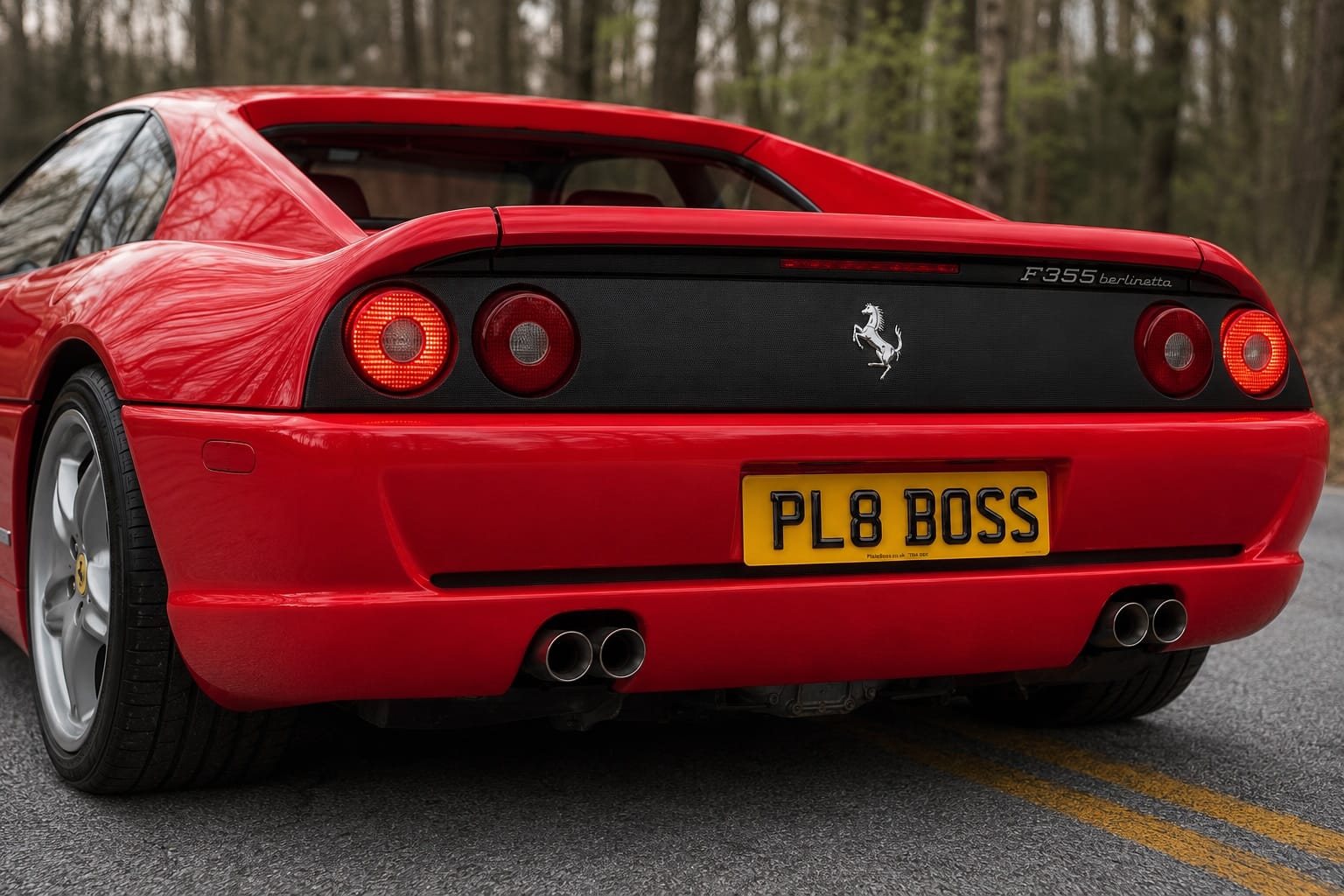
Short answer: how to clean number plates without damaging them: rinse off grit, wash with warm water and car shampoo using a soft microfibre cloth, get into the edges of raised letters with a soft brush, then dry with a clean microfibre. Skip scouring pads, solvents and tar removers, and keep pressure washers at least 30cm away. That’s all a road-legal plate needs to stay bright and readable for years.

We see plenty of plates at our Hounslow workshop that have been ruined by cleaning rather than by the weather. A few minutes of the right method keeps them looking new.
Written by the PlateBoss team, led by owner HD. We’ve been making plates since 2019 and are a DVLA-registered number plate supplier with a workshop in Hounslow, west London. Updated and checked against DVLA and GOV.UK guidance, September 2026. How we write our guides.
In this guide
- Why clean number plates at all?
- What you need
- How to clean number plates: step by step
- Cleaning 3D gel and 4D plates
- What not to use
- Winter and long trips
- FAQs
Why clean number plates at all?
It’s not just about looks. Your plates have to be readable, by people and by ANPR cameras. A plate covered in road grime or winter salt can mean a fine of up to £1,000 and an MOT fail. Dirt also scratches the surface when it’s rubbed in, which makes plates look old before their time.
What you need
- A bucket of warm water with car shampoo, or mild washing-up liquid
- Two soft microfibre cloths, one to wash and one to dry
- A soft brush, like a clean toothbrush or detailing brush
- A hose, or a pressure washer on a gentle setting
- Optional: a spray quick detailer or wax that’s safe for acrylic
How to clean number plates: step by step
- Rinse first. Hose off loose dirt and grit, so you’re not rubbing it into the surface.
- Wash gently. Use a soapy microfibre cloth in straight lines across the plate, not circles.
- Do the edges. Use the soft brush around the characters and the edge of the plate, where grime collects.
- Rinse again to get all the soap off.
- Dry with a clean microfibre. Letting water dry on leaves spots, especially in hard-water areas like London.
- Protect (optional). A light coat of acrylic-safe detailer or wax helps dirt slide off next time.
Plates too far gone to clean? Faded, cracked or peeling plates can fail the MOT. We make road-legal replacements from £29.99 a pair, often while you wait in Hounslow.
Order replacement platesAsk us on WhatsAppCleaning 3D gel and 4D plates
3D gel: the glossy dome can pick up fine scratches, so use only a soft microfibre and avoid brush car washes where you can. Don’t use polishing compounds, which can dull the gel.
4D: the laser-cut letters have sharp edges where dirt collects. A soft brush gets it out. Keep a pressure washer at least 30cm away from the edges of the letters, so you don’t lift them over time.
Not sure which you’ve got, or deciding which to buy? Our 4D laser cut vs 3D gel guide covers how each one holds up.
What not to use on number plates
- Scouring pads, wire wool or the rough side of a sponge
- Solvents, acetone, petrol, tar and glue removers, or household bleach
- Glass cleaners with ammonia
- Tinted sprays or plate covers that change the colour or reflectivity, which are illegal
Winter and long trips
In winter, salt and spray can cover the rear plate in a single motorway journey. Give it a quick wipe with a damp microfibre at fuel stops. It keeps you legal and readable. And if a plate is cracked, peeling or faded, cleaning won’t fix it. A plate in that state can also fail the MOT. That’s when it’s time for new ones, and here’s what to bring: the documents needed for number plates.
Replacement and upgrade plates
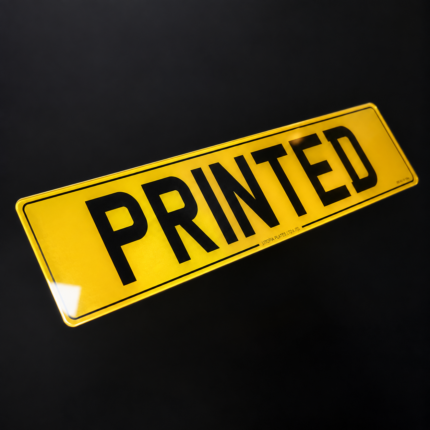
Replacement Number Plates
£29.99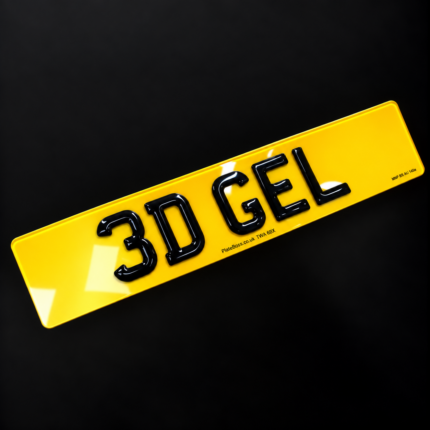
3D Gel Number Plates
£49.99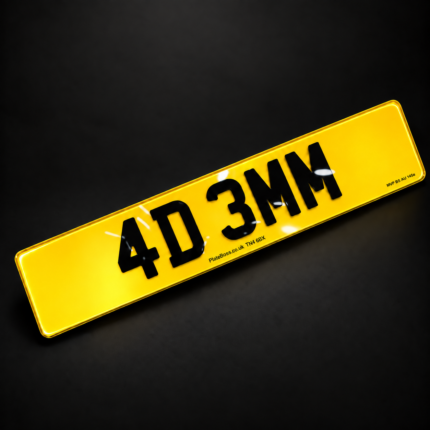
4D 3mm Number Plates
£49.99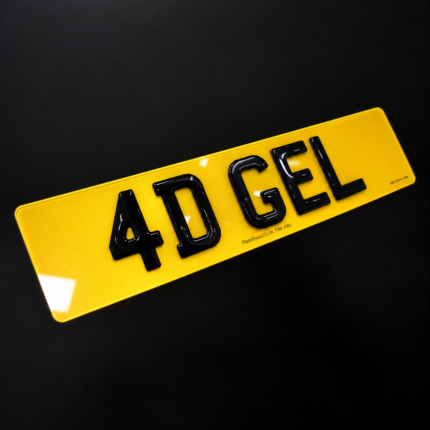
4D 3mm Gel Number Plates
£64.99Time for new plates? Order before 2pm for same-day dispatch with free tracked delivery, or collect from our Hounslow workshop.
Shop road-legal platesCollect in HounslowWhatsApp usHow to clean number plates: FAQs
How do you clean number plates?
Rinse off grit, wash with warm water and car shampoo using a soft microfibre, brush around the characters with a soft brush, rinse, then dry with a clean microfibre.
Can I use a pressure washer on number plates?
Yes, on a gentle setting and at least 30cm away, especially on 3D gel and 4D plates.
What should I not clean number plates with?
Avoid scouring pads, solvents, tar and glue removers, bleach and ammonia-based glass cleaners.
Can you get fined for a dirty number plate?
Yes. Plates must be readable, and an obscured plate can lead to a fine of up to £1,000 and an MOT fail.
How do I restore faded number plates?
You can’t really restore a faded or peeling plate. Cleaning won’t bring the reflective background back, so it’s best to replace it.