




Black and Silver Number Plates: Are They Legal in the UK?

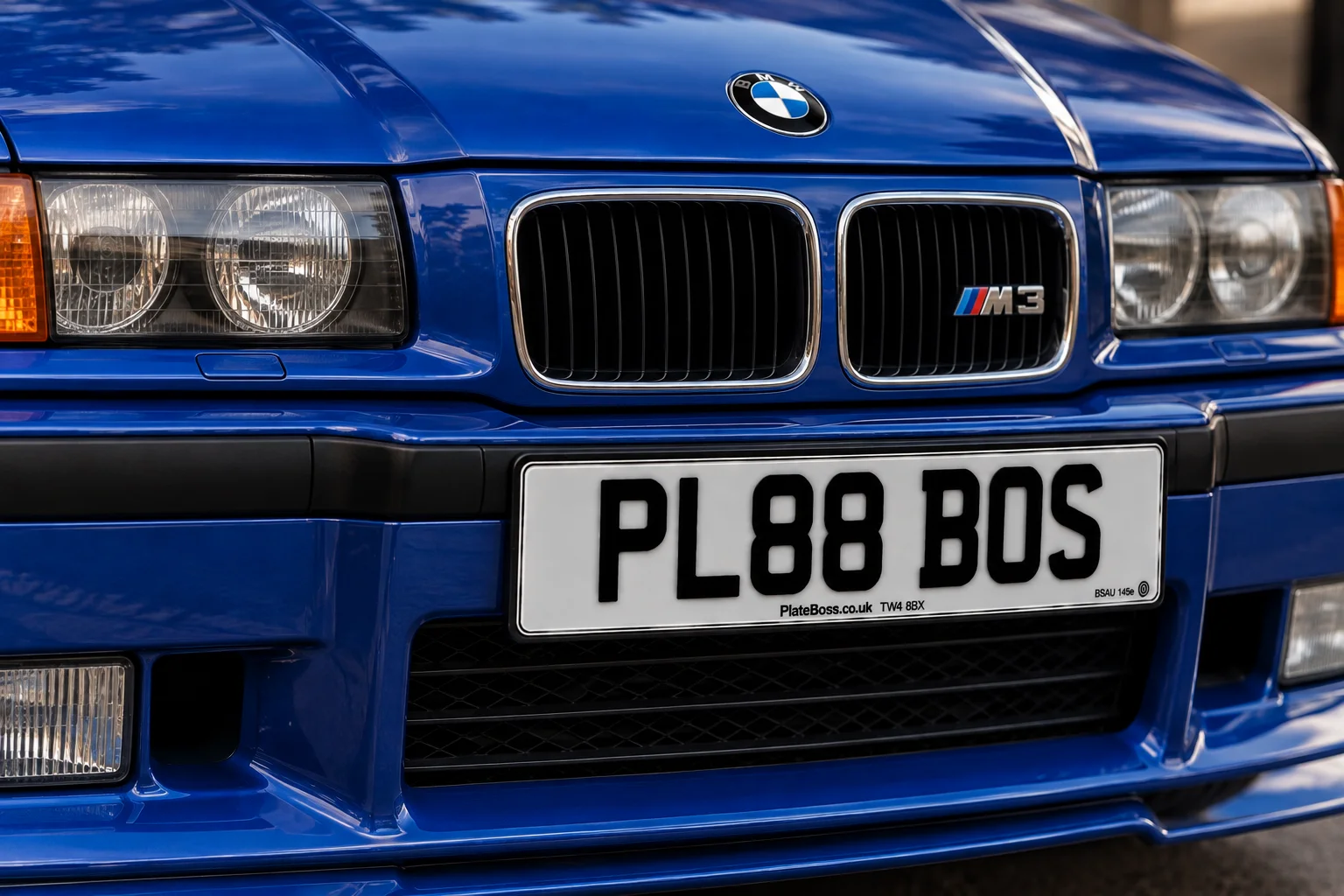
Short answer: black and silver number plates are only legal in the UK on a vehicle that was made before 1 January 1980 and is registered in the historic vehicle tax class. If both are true, you can show white, silver or grey characters on a black background, front and back. If either one isn’t, your car needs standard plates: black on white at the front and black on yellow at the rear. Black and white number plates on a newer car can mean a fine of up to £1,000 and an MOT fail.
Written by the PlateBoss team, led by owner HD. We’ve been making plates since 2019 and are a DVLA-registered number plate supplier with a workshop in Hounslow, west London. Checked against DVLA leaflet INF104, GOV.UK guidance on number plates and GOV.UK historic vehicle guidance, October 2026. How we write our guides.
In this guide
- “Can I have the black ones?”
- Black and silver number plates: the rule in plain English
- The 1980 trap: historic tax class isn’t enough
- Black plates on a newer car
- The classic look on a modern car, legally
- FAQs
“Can I have the black ones?”
We get asked for black and silver number plates at the counter fairly often, and nearly always by someone with a modern car. They’ve seen them on a classic at a show, or on social media, and they like how clean they look.
We don’t make black and silver number plates at all. And when the car is a newer one, our answer is the same every time: those plates are for classic cars only. We point people to the official rules so they can check for themselves.
It isn’t us being fussy. Over the years we’ve had a couple of customers who ignored that advice, fitted black plates from somewhere else and then came back to us. One had been stopped by the police, the other had failed an MOT. Both needed a proper set of road-legal plates in a hurry. It’s rare, but it does happen.
Black and silver number plates: the rule in plain English
The DVLA’s number plate leaflet, INF104, allows the traditional black plate on a vehicle only if both of these are true:
- The vehicle was manufactured before 1 January 1980.
- It’s registered in the historic vehicle tax class (the class shown on the V5C as “historic vehicle”).
If it qualifies, the plates can show white, silver or grey characters on a black background, and older vehicles can keep the older character styles from the era they were made in. Every other car on the road follows the normal rules: black characters on a white plate at the front and on a yellow plate at the back.
| Your vehicle | Black and silver number plates allowed? |
|---|---|
| Made before 1 Jan 1980, in the historic vehicle tax class | Yes |
| Made before 1 Jan 1980, but still paying normal vehicle tax | No, not until it’s moved into the historic class |
| Made in 1980 or later, even if it’s in the historic class | No |
| Any modern car, with a private registration | No |
A private registration doesn’t change anything. Even a dateless or “cherished” registration on a modern car has to be shown on standard white and yellow plates.
The 1980 trap: historic tax class isn’t enough
This catches people out. The historic vehicle tax class and the black plate rule use different dates.
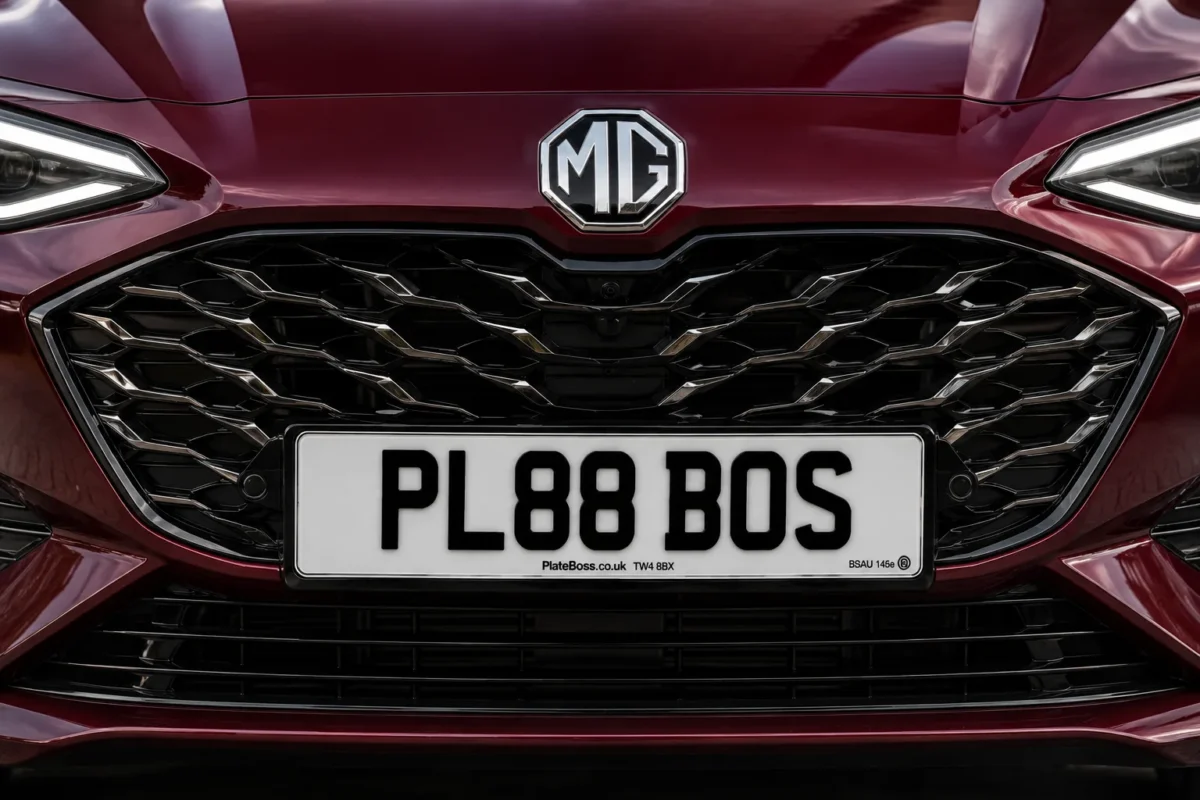
From 1 April 2026, vehicles built before 1 January 1986 can go into the historic vehicle tax class. So a car built in, say, 1983 can be tax-exempt as a historic vehicle, but it still can’t have black plates, because the plate rule stops at 1 January 1980.
If your car was built between 1980 and 1985 and you’ve just moved it into the historic class, black and silver number plates still aren’t allowed. Keep it on white and yellow plates.
What happens if you put black and silver number plates on a newer car
- A fine of up to £1,000. GOV.UK is clear that driving with incorrectly displayed plates can lead to a fine of up to £1,000.
- An MOT fail. Plates in the wrong colours don’t meet the legal standard, so the car fails. Our guide to number plate MOT fails covers the other common reasons.
- Getting stopped. Black plates on a modern car stand out, and the police can stop you for incorrectly displayed plates.
Black and silver number plates are often sold online as “show plates” with a small disclaimer. As we explain in show plates vs road legal plates, that disclaimer doesn’t help you once the plate is on a car that’s driven on the road.
Want a classic feel that’s still road legal? Our bevelled and 4D retro plates give a traditional look in the legal white and yellow colours.
See retro-style platesSend us a photo on WhatsAppThe classic look on a modern car, legally
When someone with a modern car asks for black and silver number plates, it’s usually the look they’re after rather than the colour itself. There are road-legal ways to get closer to it:
- Bevelled plates have a raised, framed edge that gives a more traditional, finished look.
- 4D retro plates pair raised acrylic characters with a classic-style border.
- A plain border or no border. A clean plate without badges or patterns is often the closest to that simple classic style.
All of them keep the legal colours and the standard font, and they come with our supplier name and the BS AU 145e mark, like every plate we make. You’ll need your V5C and photo ID; see our guide to the documents needed for number plates.
Road-legal plates with a classic feel

4D Retro Number Plates
£69.99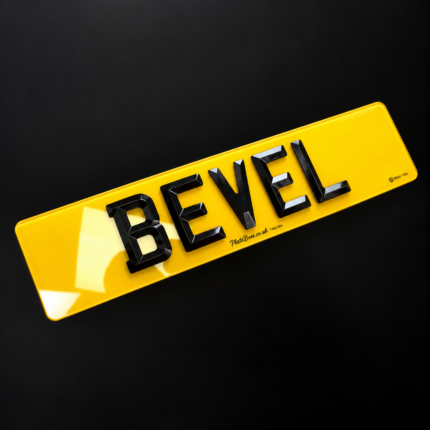
Bevelled Number Plates
£69.99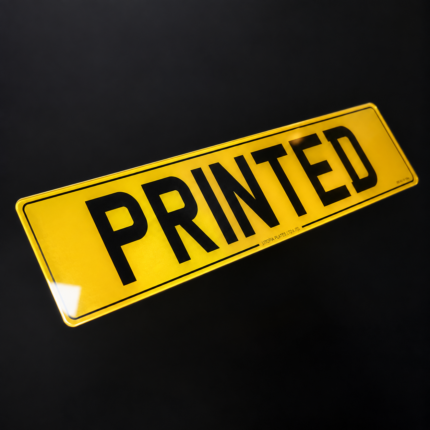
Replacement Number Plates
£29.99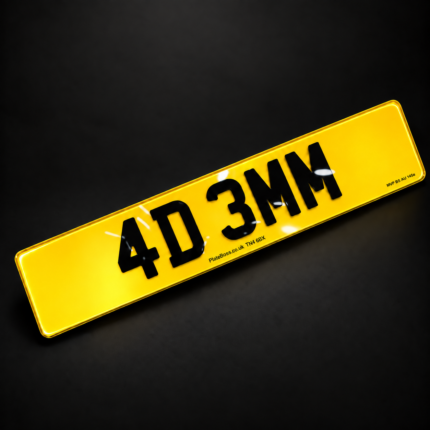
4D 3mm Number Plates
£49.99Not sure what your car is allowed? Send us the registration and we’ll tell you before you order. Order before 2pm for same-day dispatch, or collect from our Hounslow workshop.
Shop number platesCollect in HounslowWhatsApp usBlack and silver number plates: FAQs
Are black and white number plates legal in the UK?
Only on vehicles made before 1 January 1980 that are registered in the historic vehicle tax class. Those can show white, silver or grey characters on a black background. All other vehicles need black characters on a white front plate and a yellow rear plate.
Can I put black plates on my car if it has a private registration?
No. A private or dateless registration doesn’t change the colour rules. The plates still have to be white at the front and yellow at the back unless the vehicle itself qualifies.
My car is in the historic vehicle tax class. Can I have black plates?
Only if it was also made before 1 January 1980. From 1 April 2026, cars built before 1 January 1986 can be in the historic class, so a car from 1980 to 1985 can be tax-exempt but still not allowed black plates.
Do you make black and silver number plates?
No. We only make road-legal plates to the current standard, in white and yellow. If your car qualifies for black plates, you’ll need a specialist that makes traditional pressed-metal plates.
What is the fine for black number plates on a modern car?
Incorrectly displayed plates can lead to a fine of up to £1,000, and the car will fail its MOT.
Can I use black plates at car shows?
The road rules apply to vehicles on public roads, so plates that aren’t road legal must come off before the car is driven on one. If you drive there, you need road-legal plates on it.
Is there a road-legal plate that looks like a classic plate?
Yes, as close as the law allows. Bevelled and 4D retro plates give a traditional finish in the legal colours and standard font.